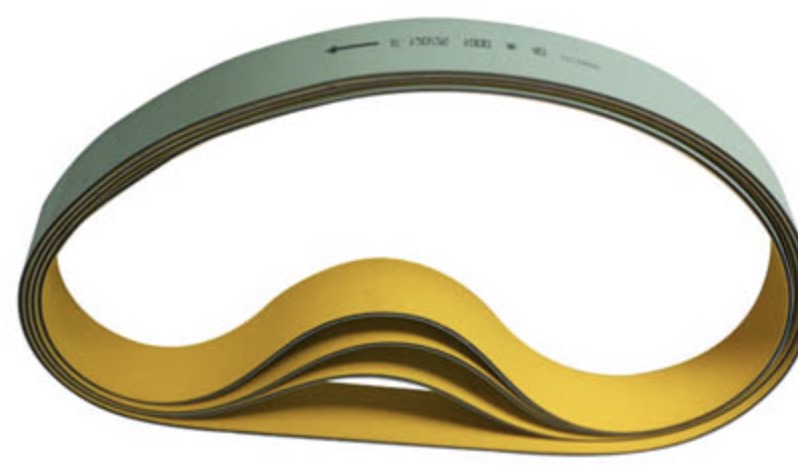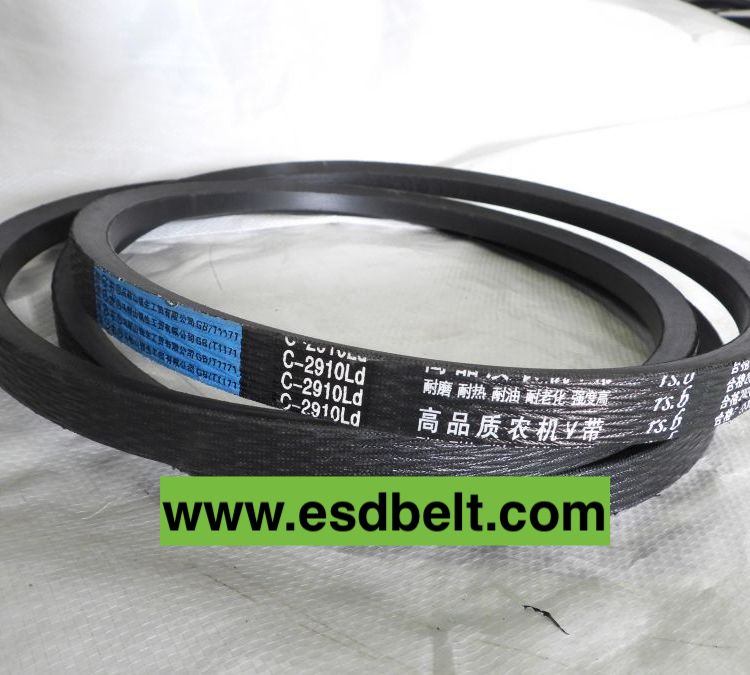
At present, PVC conveyor belts are used in many industries, such as logistics, factory workshop assembly lines, etc., and it is a commonly used conveyor belt in the industrial industry. Many times, if there is a problem with the conveyor belt, it may stop production and cause losses. Therefore, PVC conveyor belts play a crucial role in industrial production. Whether the conveyor belt can operate normally is crucial for enterprises. So, how should PVC conveyor belts be maintained? We have summarized some methods.1、 According to the operation of the conveyor belt, adjust the relevant equipment to prevent the conveyor belt from deviation and wear, and damage the upper and lower covering layers.2、 Timely remove the attachments on the transmission drum to prevent uneven force on the drum due to its irregular appearance, resulting in blistering.3、 The joint is the weak part of the conveyor belt. Due to timely inspection of the elongation and abnormal changes in appearance of the joint, defects in the joint are promptly discovered and repaired.4、 If the conveyor belt experiences peeling or covering, cold repair, hot vulcanization, and other methods should be selected based on the damage situation to maintain the integrity of the conveyor belt appearance.5、 Diligent in checking the conveyor belt for abnormalities in order to make predictions and ensure that the conveyor belt will not affect its use.Of course, in some cases, it is necessary to find professional personnel to repair, as professional technology is required. For damage that cannot be handled, it is best to order and arrange for new conveyor belts to be replaced in a timely manner to avoid delaying production
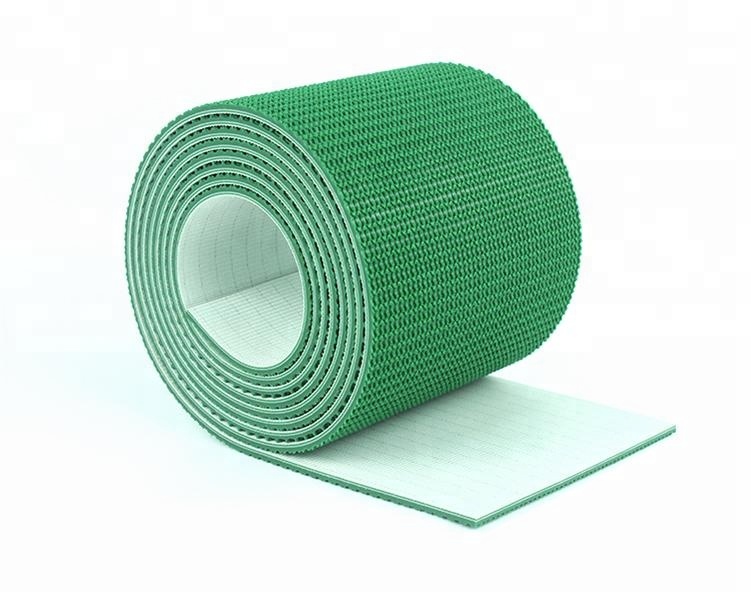
What are the processing methods for PVC conveyor belts?
With the widespread use of mechanized production, most enterprises have already used machines to replace traditional production and processing. According to the needs of different industries, different equipment uses different conveyor belts. High toughness and non deformable PVC conveyor belts are also mixed in various industries. Of course, some industries also use special conveyor belts that require special processing methods to produce conveyor belts suitable for enterprises. Below, we will introduce the punching and adding guide bars of PVC conveyor belts.
Introduction to parameters of high inclination conveyor belt
Discussion on Several Factors Influencing the Service Life of Conveyor Belt Manufacturers
Conveyor belts are a common conveying equipment in our daily lives. After purchasing conveyor belts, some customers’ belts can last for several years, but some customers’ belts may break and peel off within a few months. Today, I will talk about several factors that affect the lifespan of conveyor belts. Firstly, the most critical factor is the poor quality of raw materials, even if the factory process is good, it is useless. Therefore, the quality of raw materials is the biggest factor affecting the lifespan of conveyor belts.Secondly, the rationality of the design. For example, if the diameter of the drum is too small, the bending stress generated by the conveyor belt when it bypasses the drum will increase, causing the core to become weak and affecting its lifespan.The installation method will also directly affect the operation of the equipment and the lifespan of the conveyor belt. So when installing, we should ensure that the longitudinal centerline of the conveyor has good straightness and has good alignment with the centerline of the head and tail frames; Maintain the levelness of the drum axis and the vertical centerline of the conveyor.Finally, there is daily maintenance and upkeep of the conveyor belt. Our operators should regularly maintain the conveyor belt and promptly repair any problems found. If the conveyor belt is not used for a long time, we need to store it correctly.
Specification and model introduction of sidewall conveyor belt
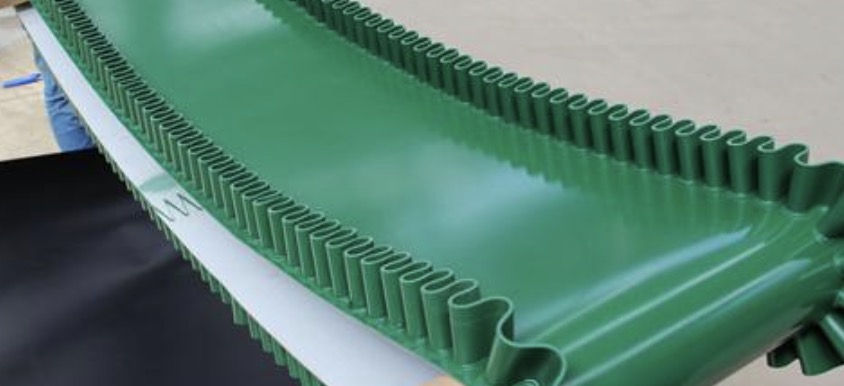
The sidewall conveyor belt is an important material conveying device that is often used to transport solid materials and bulk materials. It uses a transmission device to drive the conveyor belt to work in order to transport materials. In order to ensure the smooth movement of materials, a sidewall conveyor belt is produced, whose function is to ensure that the materials on the conveyor belt will not fall from the side. In the production line, the sidewall conveyor belt plays an irreplaceable role. Next, let us introduce the specifications and models of the sidewall conveyor belt. 1. Width: The width of sidewall belts is determined by the manufacturer. The standard width of ordinary sidewall conveyor belts is usually 500, 650, 800, 1000, 1200 and 1400mm. In addition, according to the user’s requirements, the width of the sidewall conveyor belt can also be adjusted according to different materials and production line requirements. 2. Belt speed: Belt speed is an important parameter of the conveying speed of the sidewall conveyor belt. It directly affects production efficiency. Typically, motorized sidewall conveyor belts have adjustable speeds, depending on productivity requirements. The speed of ordinary sidewall conveyor belts is usually between 0.8-4.0 m/s. 3. Length: The length of the sidewall conveyor belt is also an indicator of production efficiency. On different production lines, the length of the sidewall conveyor belt is also different. The length of ordinary sidewall conveyor belt is usually between 5-30 meters. 4. Power form: The power form of the sidewall conveyor belt is usually electric, and it can also be driven by other types. In addition, according to different materials and operating environments, you can also choose to use winding motors and linear motors to drive. 5. Rib structure: The rib structure usually adopts steel frame structure, support frame and drum structure. The carrying capacity of the sidewall conveyor belt is improved, thereby increasing production efficiency. The above is the introduction of the specifications and models of the sidewall conveyor belt. When purchasing sidewall conveyor belts, different specifications and models should be selected according to the actual situation of the production line to ensure more efficient and reliable material transportation.
Ordinary rubber conveyor belt introduction
Ordinary rubber conveyor belt is a commonly used conveyor belt material, which is widely used in material transportation in various industries. It consists of layers of rubber, coated canvas, and other materials, and is made through processes such as compression and vulcanization. Rubber conveyor belt has the advantages of wide application range, high strength, wear resistance and corrosion resistance, low maintenance cost, etc., so it is widely used in mining, metallurgy, chemical industry, building materials, electric power and other industries. The rubber conveyor belt is mainly composed of three parts: belt body, skeleton material and covering material. The belt body is mainly composed of multi-layer rubber, canvas, steel wire rope and steel belt. The skeleton material is responsible for supporting the belt body and enhancing its strength, generally using high-strength synthetic fiber canvas or steel wire rope. The covering material is the outer layer of the belt body surface, and different materials can be selected according to the needs, generally divided into wear-resistant covering layer and oil-resistant covering layer. Rubber conveyor belts have many advantages. First of all, it has a wide range of applications and can transport various types of materials, such as granules, lumps, powders, etc. Secondly, the rubber conveyor belt has high strength and wear resistance, and can withstand various complex working environments and harsh weather conditions. In addition, it has good corrosion resistance, can withstand the corrosion and oxidation of chemical substances, is not easy to age, and has a long service life. In addition, it has low maintenance cost and long service life, which can save users a lot of cost and time. Precautions for the use of rubber conveyor belts cannot be ignored. 1. Inspection must be carried out before use to ensure that the conveyor belt is not damaged or aged. 2. Pay attention to the lubrication and maintenance during use, strengthen the daily maintenance and maintenance of the conveyor belt, and ensure the normal operation of the equipment. 3. The rubber conveyor belt needs to be replaced regularly to ensure the stability and safety of the equipment. To sum up, the rubber conveyor belt is a conveyor belt material with a wide range of applications, superior performance and long service life, and has a wide range of application prospects. We should strengthen the development of rubber conveyor belts and provide higher quality products and services for the safe and effective operation of conveyor belts in various industries.
What is the maximum temperature resistance of the conveyor belt?
A conveyor belt is a device used to transport materials. With the development of industrial production, there are more and more opportunities to encounter high temperature environments. Therefore, high temperature resistant conveyor belts are becoming more and more important. How much high temperature can the conveyor belt withstand? 1. We need to understand some basic knowledge of conveyor belts. Generally, the material of the conveyor belt can be divided into rubber, polyurethane, PVC, linen and so on. These base materials have different heat resistance temperatures, so different conveyor belts have different resistance to high temperatures. Generally speaking, rubber conveyor belts are often used in heat-resistant applications because they have better heat resistance. Conveyor belts made of polyurethane and PVC are prone to aging and deformation at high temperatures. 2. Under different environments, the temperature of the conveyor belt will be different. For example, in high-temperature workplaces such as steel plants and metallurgical industries, the high temperature that the conveyor belt bears is higher than that of other industries. According to the survey, the high temperature resistant conveyor belts currently on the market can withstand temperatures as high as 400°C. This is enough to meet the needs of most industrial production. 3. It should be noted that although the conveyor belt has a strong resistance to high temperature, the long-term high temperature environment also has a great impact on the conveyor belt. Prolonged high temperature can easily lead to problems such as aging, deformation, and cracking of the conveyor belt, which will affect the service life and effect. Therefore, when using the conveyor belt in a high temperature environment, it is necessary to combine the actual situation and take some necessary protective measures, such as increasing lubrication and avoiding excessive stretching. Generally speaking, the high temperature resistance of the conveyor belt is 400°C, which can meet the needs of most industrial production, and we also need to pay attention to protective measures when using it to prolong the service life.
Why is the quality of the baseband connector so important?
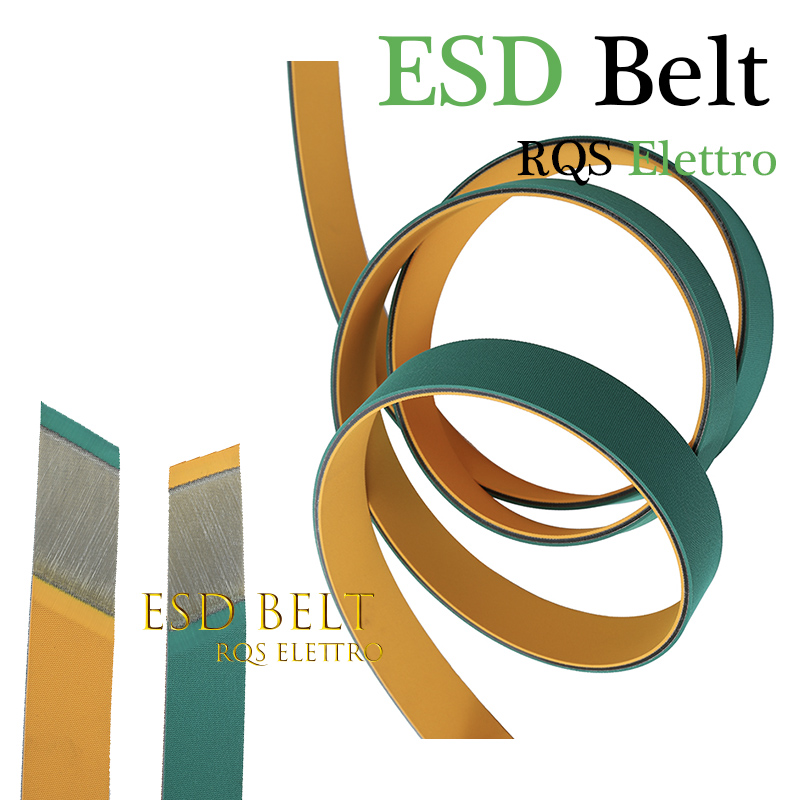
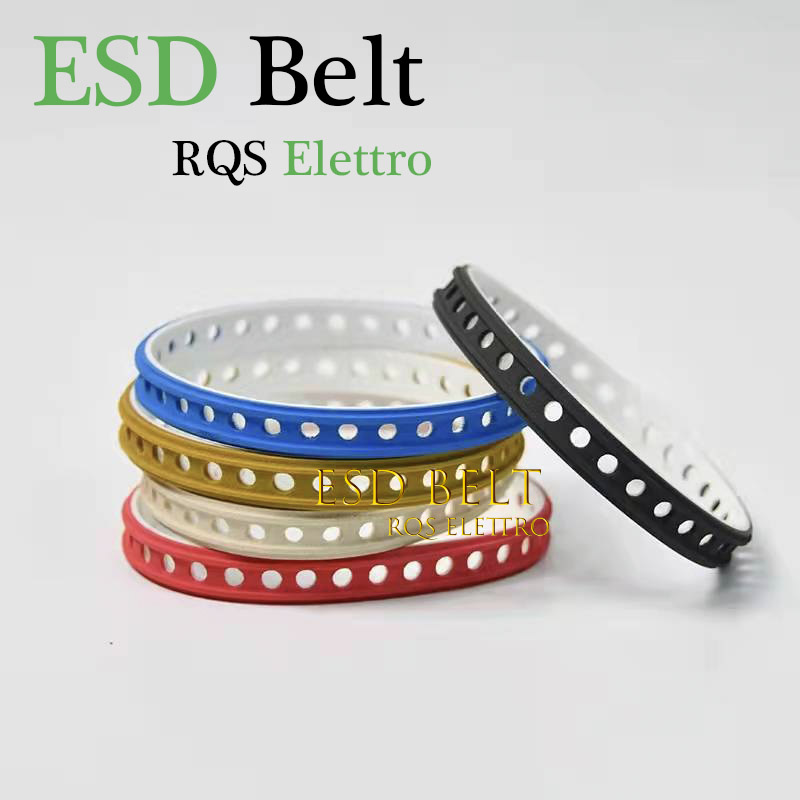
What is the core technology of baseband manufacturers? The quality of flat belt base joints is the core technology of industrial belt manufacturers. What will be the impact of poor quality flat belt joints? R.Q.S Elettro, as an industrial belt manufacturer with 20 years of experience, would like to share with you based on its own experience: The quality of flat belt base joints is the core technology of industrial belt manufacturers. According to past test experience and customer feedback, the quality of the base belt joints of the flat belt is uneven, and periodic waves will be generated during transmission, resulting in rapid wear and even breakage. Knowing the reason, now let’s talk about how we solved this problem. The production process of the flat belt base belt includes four major processes: cutting, grinding, gluing, and connection. The cutting and dividing must be flat and consistent, otherwise it will still cause deviation; Lap joints are used as ring belts. Polyurethane flat belts use tooth joints, but lap joints are also useful, and lap joints must be ground, and flat lap joints are required to fit tightly; the third step is viscose, which is divided into nylon glue and rubber. The glue is required to be applied evenly; the fourth step is to heat the connection. These four processes have strict requirements, among which the grinding head process has the highest technical requirements. In the past, manually pushing the grinding head machine to grind the head has high requirements for operating technical workers and a high error rate (because it is difficult to manually grind the two ends of the belt exactly the same).
How to connect the nylon baseband?
In today’s market where base tape coils are basically homogeneous, the connection of nylon base tape is a manifestation of the strength of the base tape manufacturer’s technology.The basic process of production and processing of nylon sheet base belt is: cutting and slitting, grinding, lapping with glue, heating and fusion splicing.Let us pay attention to explain the precautions in each process: 1.Cutting and slittingThe most basic requirements for cutting and slitting nylon sheet base tape are consistent width and smooth cut. If the width error exceeds a certain range, it will easily cause deviation. The cutting and slitting of the nylon sheet base tape only needs to be qualified by the operator’s skills. 2.Chip base belt grinding headNylon base belt grinding is an important process to ensure the joint is firm. Nylon base belts are all in the form of lap joints. Therefore, the higher the accuracy and flatness of the grinding head, the better the quality of the nylon base belt lap. 3.Lap joint with glueThere is a special glue for the overlapping of the nylon sheet base belt. The method is to apply it evenly on the grinding head (both ends must be applied), and then overlap and overlap. The main point of this process is: apply all the paint evenly, and pay attention to tight seams when lapping. 4.Heating fusion connectionThe jointing machines on the market are mainly divided into: portable jointing machines and desktop jointing machines. The main technology is to adjust the temperature control according to the thickness of the base tape, and the quality of the base tape splicing machine of each manufacturer has certain differences. The single-sided thermal joint machine can connect relatively thin nylon sheet base belts, and it is best to use the double-sided heating joint machine if the thickness is more than 2mm.
What is a Conveyor Belt ?
Conveyor belt, also known as drive belt, is the transmission medium in the transmission belt system. A transmission belt system is a type of transmission system that includes two or more pulleys with a transmission belt on top, which can rotate the transmission belt for unlimited travel. One or more of the pulleys will be powered to allow the drive belt to travel and carry the material conveyed on the drive belt. The pulley with power drive is called the drive pulley, and the rest is called the idler pulley. There are two types of industrial applications for transmission belts: in factories, the handling of materials that convey materials or objects in boxes or pallets, and the handling of bulk materials that convey large quantities of materials or agricultural products, such as grain, salt, coal, ore, sand, or overburden.