Industrial belt pollution cleaning detection and cleaning organization
Firstly, check whether the industrial belt used by the customer can be cleaned.
Firstly, check whether the industrial belt used by the customer can be cleaned.
1、 Materials for industrial belts
Whether replacing the belt or installing the belt on a new transmission device, it is recommended to follow the following steps.
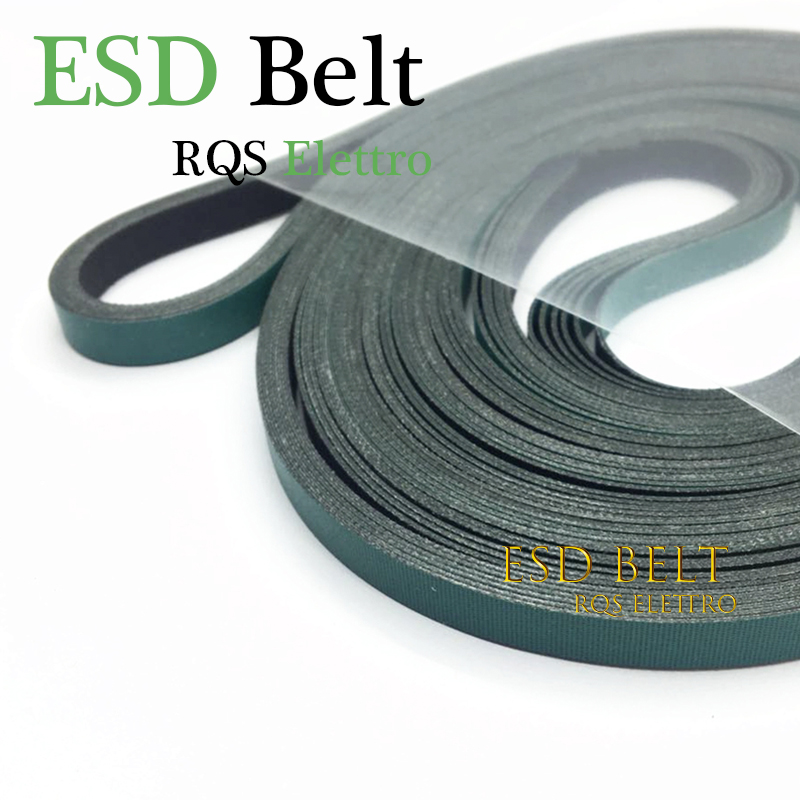
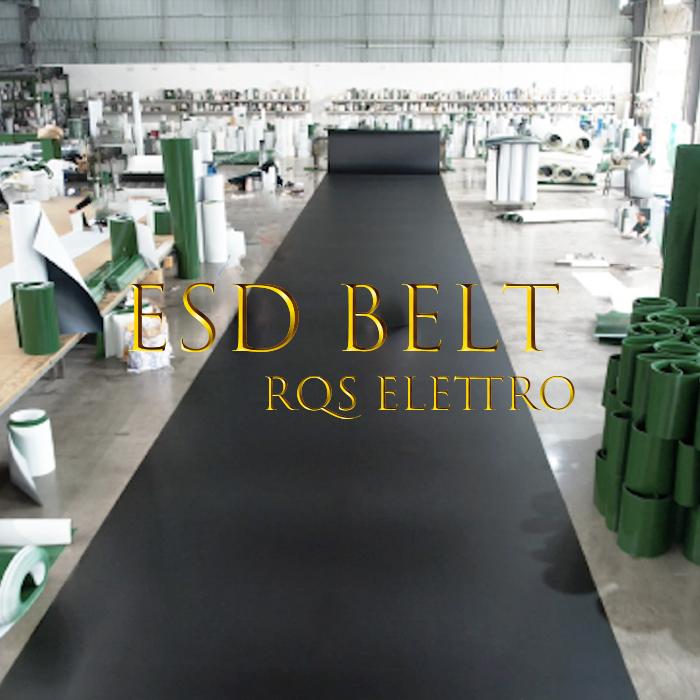
With the continuous development of industrialization and different demands for products, anti-static industrial conveyor belts are receiving increasing attention. During the operation of industrial conveyor belts, static electricity is generated due to friction, which cannot be eliminated on the surface of the conveyor belt in a timely manner and can accumulate and generate sparks to a certain extent. For some enterprises that require anti-static, it may pose significant safety hazards. Let’s introduce that in the era of mechanized production, industrial conveyor belts have been favored by most enterprises. It is not only one of the main components of transportation products, but also saves manpower and material resources for enterprises, saves costs, and improves work efficiency. Industrial conveyor belts are widely used in industries such as logistics, food, packaging, printing, and electronics, with diverse styles.Safety production has always been the focus of attention for major enterprises, not only responsible for products, but also for employees and society. Static electricity is ubiquitous in daily life, and its harm can also be minimal. It can cause malfunctions and damage to electronic components. In production places with flammable and explosive products or high levels of dust and oil mist, it is easy to cause fires and explosions. Therefore, the conveyor belts used in these places must be anti-static.In the electronic industry, static electricity can absorb dust, reduce the insulation resistance of electronic components, and thus affect the service life of electronic components. Electrostatic discharge can generate heat from electromagnetic fields or currents, leading to interference or damage to electronic components. Anti static industrial conveyor belts have good belt elasticity, are not easily deformed, have good windings, high tensile strength, and good wear resistance. The key is to play an anti-static role without being affected by static electricity.
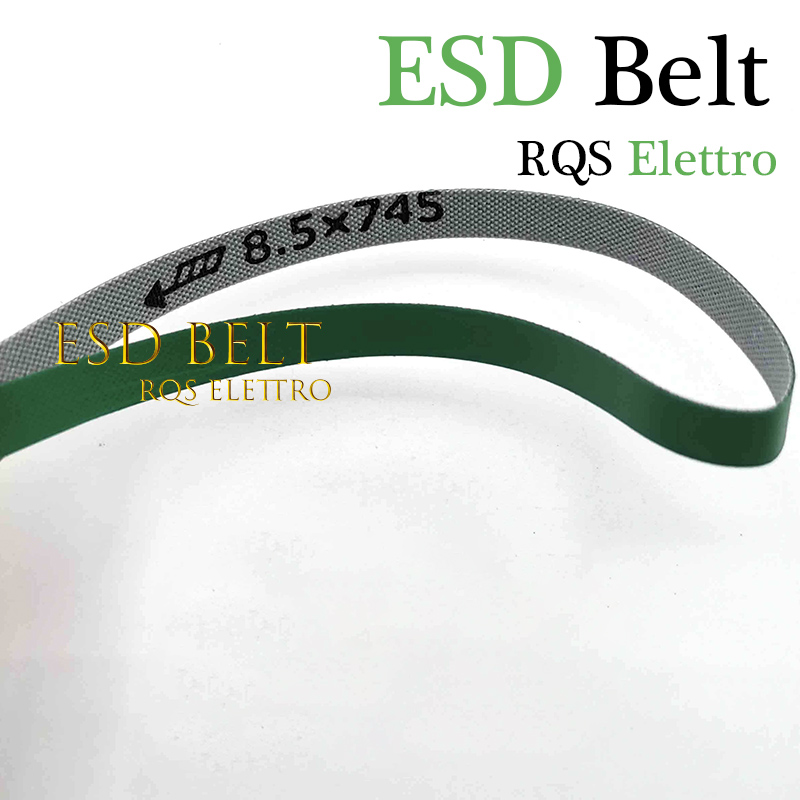
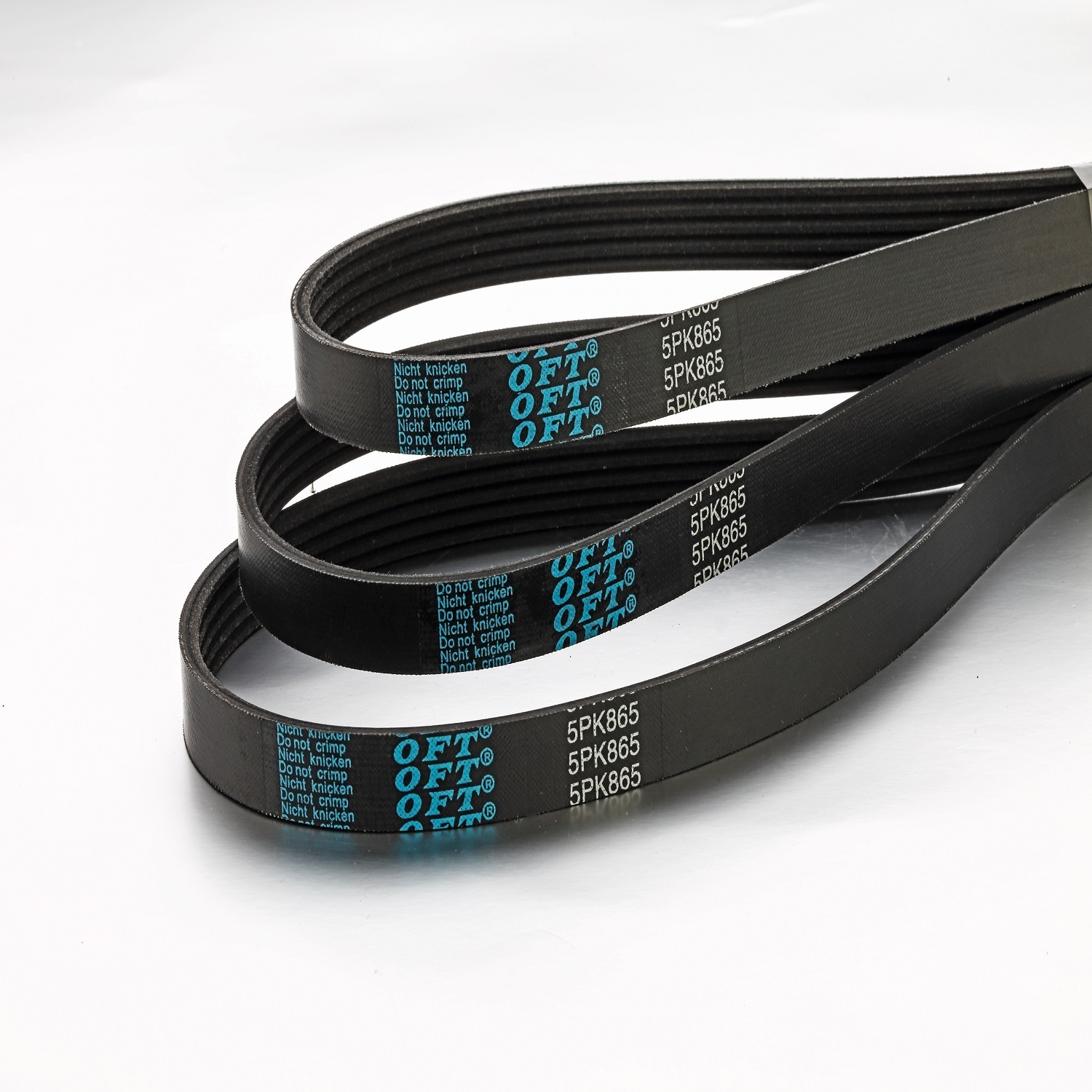
1、 The meaning of belt specifications and modelsBelt specifications are defined based on the characteristics of belt length, width, and thickness, and are often abbreviated as belt specifications in daily use. The specifications and models of different types of belts vary greatly, such as multi wedge belts used in automobiles and industrial transmission belts.2、 Identification method for belt specifications and modelsThe belt specification is usually composed of a series of numbers and letters, which represent the various parameters of the belt. For example, the specification and model of the multi wedge belt used in automobiles are 7PK1880, where “7” represents the number of wedges in the belt, “P” represents the shape of the belt, “K” represents the wedge-shaped belt, and “1880” represents the length of the belt.3、 How to Correctly View Belt Specifications and ModelsThe correct way to see the belt specifications and models is to first carefully observe the surface of the belt, find the letters and numbers that identify the belt specifications and models, and then based on these letters and numbers, query the relevant specification parameter table to find the relevant parameters corresponding to the belt specifications and models.4、 The method of correctly selecting belt specifications and modelsWhen selecting belt specifications and models, one should first understand the type and specifications of the required belt, and then select the specifications and models that match the required belt based on the relevant parameter table. At the same time, attention should also be paid to relevant quality standards and inspection methods to ensure that the selected belt meets the requirements.5、 Proper use and maintenance methods for beltsProper use and maintenance of belts can extend their service life and maintenance effectiveness. Specifically, the following points should be noted: 1. Avoid overload use; 2. Avoid tying the straps too tight or too loose; 3. Avoid contact with harmful substances; 4. Regularly clean and inspect the belt; 5. Timely replace aged or worn belts.In short, a correct understanding of belt specifications and models is the foundation for correct use and maintenance of belts. I hope this article can help you better choose and use belts.
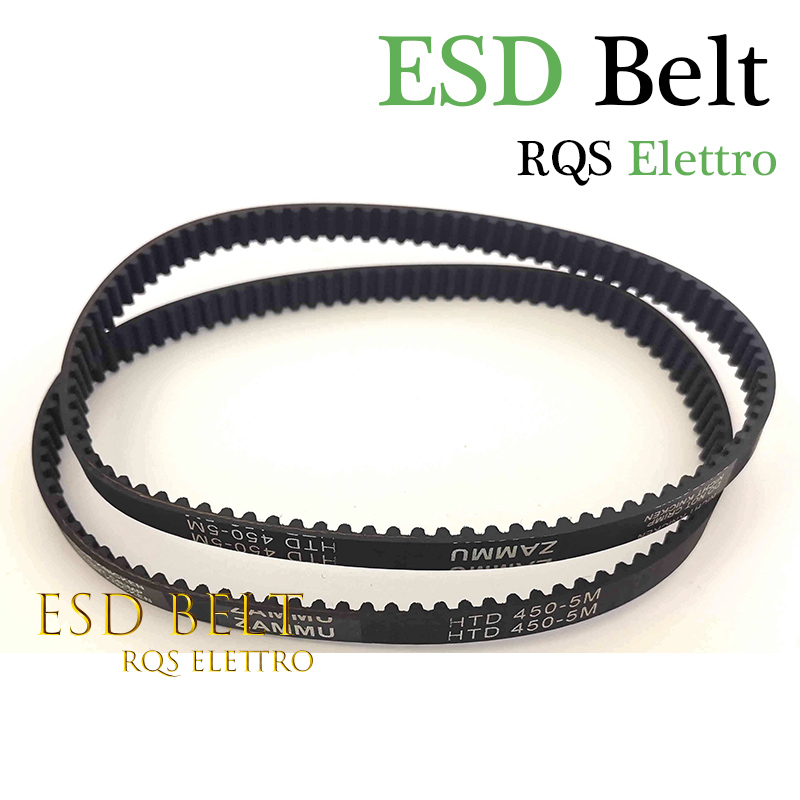
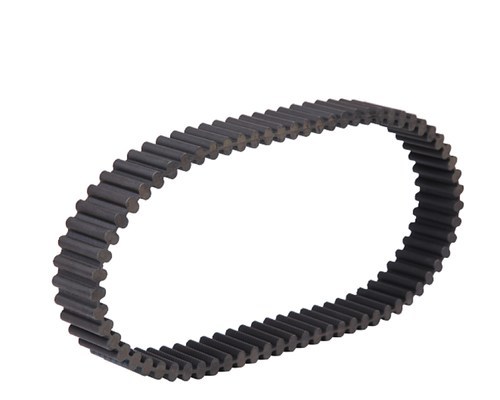
What is an anti-static transmission belt? There are two types of materials for anti-static transmission belts, namely rubber and polyurethane; From the perspective of tooth shape, it can also be divided into flat transmission belts and synchronous belts.Anti static transmission belts are made by adding conductive components (such as adding metal wires) to the PU (or rubber) used in the manufacturing of flat transmission belts or synchronous belts, or by using conductive plastics. Anti static belts have a resistance of 10 to the fourth power of ohms or more, and a conductivity of 10 to the sixth power or less, such as 4th power high conductivity and 2nd power superconductivity. Conductive materials should be used in electric fields with a voltage below 220380. Ordinary synchronous belts do not have an anti-static effect. The 6-8th power of the anti-static synchronous belt 10 is made of anti-static materials, with anti-static and conductive high polymer as the surface carrier layer. It is widely used in the electronic industry, non-woven fabric industry, and other materials (products) with anti-static and conductive requirements for transportation and processing, as well as electrostatic spraying assembly lines.Anti static belts are used in many industries, so what should be paid attention to when choosing them. Why use anti-static belts when different materials have different anti-static requirements?In some production environments, generating static electricity may cause accidents or damage materials. Generally, the production of gunpowder can cause accidents, and the production of electronic components and other materials may cause static electricity, which may damage the materials.The anti-static index of an anti-static belt can be measured using an anti-static tester. Usually, the anti-static index of an anti-static belt is between the 8th power of 10 and the 6th power of 10. An anti-static belt with a power of 10 to the 6th can also be called an anti-static belt. There are two types of anti-static transmission belts: flat belts and synchronous belts.
1、 Different materialsThere are certain differences in the material between anti-static belts and regular belts. The anti-static belt will be treated for materials generated by static electricity, usually adding certain conductive substances, such as metal fibers, carbon fibers, etc., to achieve the effect of conductivity. Ordinary belts do not have this treatment process, but are usually made of materials such as polyester and polyurethane.2、 Different structuresThere may also be differences in the structure between anti-static belts and regular belts. The anti-static belt generally adds circuit modules or connecting wires in its structure. For example, an anti-static bracelet may add a wire or metal fiber to the bracelet to connect circuit modules and export static electricity. Ordinary belts, on the other hand, will not have these structural changes.3、 Different usage scenariosAnti static belts are suitable for static sensitive areas and environments with high levels of dust. In sensitive situations such as hospital operating rooms, semiconductor factories, and electronic products, it is necessary to use anti-static belts. Because any static electricity in these situations may cause equipment damage or information leakage. In addition, some environments with high levels of dust, such as woodworking, painting, and other industries, also require the use of anti-static belts to avoid the danger of explosion or fire caused by static electricity.4、 Precautions for useThe use of anti-static belts requires attention to some details, such as the need to tightly fit with the wrist, otherwise the anti-static effect will be lost. At the same time, the anti-static belt needs regular maintenance to clean the surface dust and avoid affecting its conductivity due to dust.ConclusionThe difference between anti-static belts and regular belts lies in the material, structure, and usage scenarios. Antistatic belts are more suitable for static sensitive areas and environments with high dust content. Although the use of anti-static belts requires some precautions, it can effectively avoid the harm caused by static electricity and improve safety performance.
Rubber conveyor belts move based on the principle of friction transmission and are suitable for conveying powder, granular, and small pieces of low grinding materials with a bulk density of less than 1.67/ton/cubic meter, as well as bagged materials that are easy to remove, such as coal, crushed stone, sand, cement, fertilizer, grain, etc. Rubber conveyor belts are mainly used for coal transportation in coal mines, as well as material transportation in industries such as metallurgy, chemical engineering, power plants, and docks. This machine has a large capacity and high efficiency. The middle layer canvas of the nylon rubber conveyor belt is nylon canvas. Nylon belt buckle joint, this joint method is convenient and economical, but the efficiency of the joint is low, it is easy to damage, and it has a certain impact on the service life of rubber conveyor belt products. In PVC and PVG whole core anti combustion and anti-static rubber conveyor belt joints, this joint method is generally used for products below grade 8 belts.
1、 Common rubber belt breakageIn daily life and work, there are various reasons that can cause rubber belts to break. For example, long-term use can cause aging damage, excessive tension, prolonged overload or no-load, etc. The fracture location is usually at the edge or stretching point of the rubber belt, and after the fracture, it is necessary to carry out timely connection treatment to ensure the normal operation of the equipment.2、 A Simple Connection Method for Rubber Belt