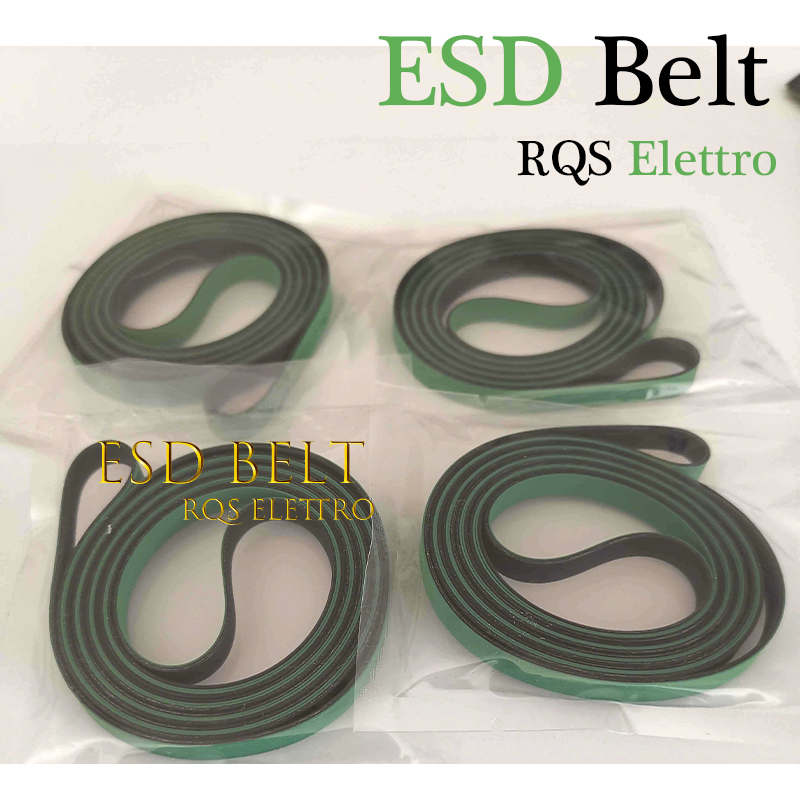
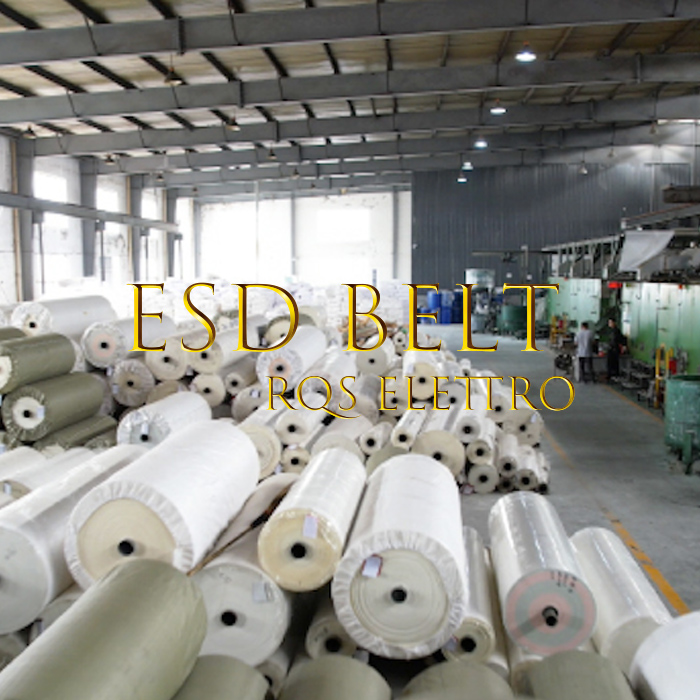
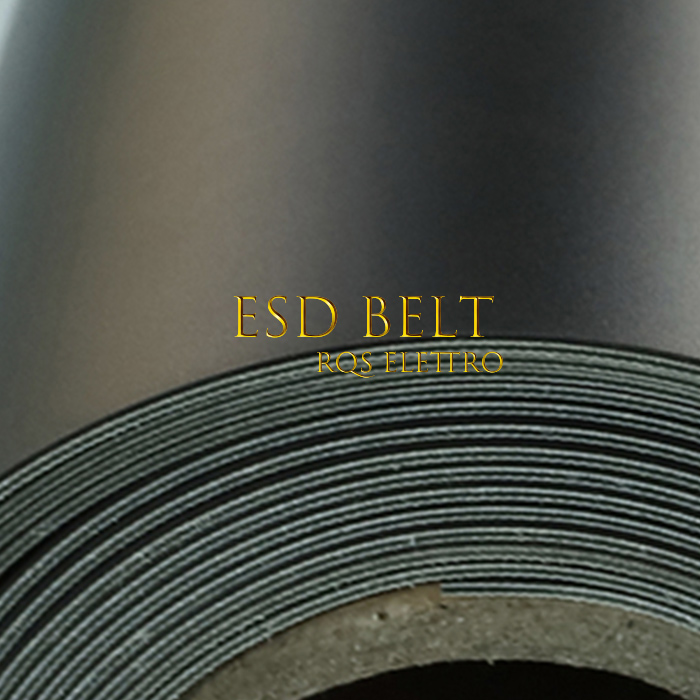
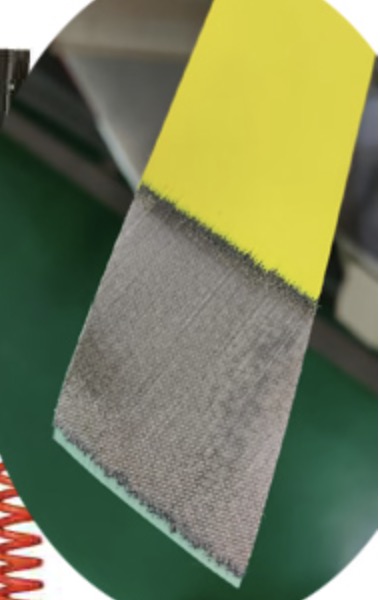
Romantic Christmas is on the way, and blessings are coming from all directions: auspicious Christmas blessings are coming, delicious Christmas dinners, sleighs filled with gifts, Santa Claus is here to bless you, enjoy eternal blessings in peace, and a better and happier life! RQS Elettro ESD BELT
What common materials are used in conveyor belts
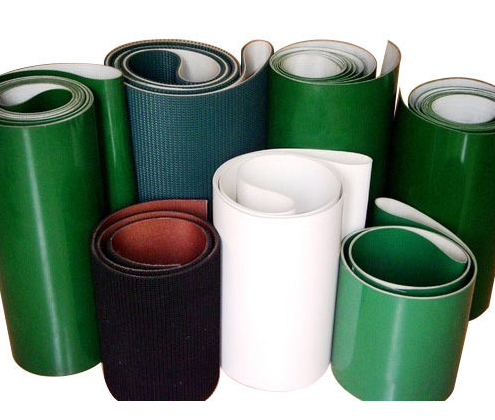
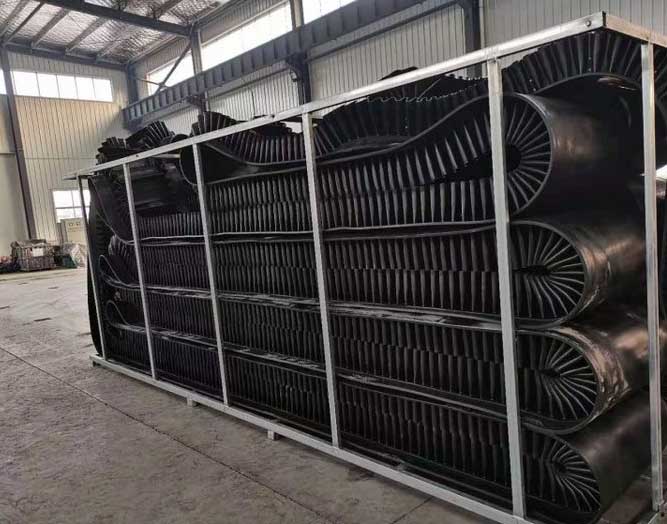
1、 Rubber conveyor beltRubber conveyor belt is one of the most commonly used conveyor belt materials, with a rubber layer covering its surface, which can effectively absorb impact and vibration. At the same time, rubber conveyor belts also have good heat resistance and corrosion resistance, suitable for logistics transportation and production processing in various industries.2、 Polyurethane conveyor beltPolyurethane conveyor belt is a high-performance conveyor belt material with high strength, wear resistance, and cutting resistance. Polyurethane conveyor belts have a longer service life and are suitable for long-distance transportation of heavy goods.3、 PVC conveyor beltPVC conveyor belt is a lightweight conveyor belt material with a relatively low price, suitable for short distance transportation of some lightweight items. PVC conveyor belt has a smooth surface and moderate hardness, suitable for conveying needs in industries such as food and medicine.4、 Nylon conveyor beltNylon conveyor belts have the characteristics of high strength, wear resistance, corrosion resistance, etc., and are suitable for long-distance transportation of heavy goods. The surface of the nylon conveyor belt is flat, not easy to delaminate, and has a long service life.5、 Steel wire rope core conveyor beltSteel wire rope core conveyor belt is a special type of conveyor belt material, whose core is woven from multiple strands of steel wire rope and covered with a plastic or rubber layer on the surface. This type of conveyor belt is suitable for conveying goods in harsh environments such as strong wind forces, hard object impacts, and high torque.In summary, different materials of conveyor belts have their own characteristics and applicability. Manufacturers should choose the appropriate conveyor belt material based on specific needs and working environment when selecting. At the same time, pay attention to the use of conveyor belts and strengthen management during use, maintenance, and upkeep to ensure the performance and lifespan of conveyor belts.
Six Quick Handling Methods for Belt Runout in Belt Conveyors
The handling method for belt slippage in belt conveyors is a common fault during the operation of belt conveyors. To solve this common malfunction, it is crucial to pay attention to the installation and processing accuracy, as well as daily maintenance and upkeep of the conveyor. There are many and diverse reasons for directional deviation, which need to be addressed according to different reasons.
Function of conveyor belt
1、 Overview of the role of conveyor beltsA conveyor belt is a mechanical transmission device that transports materials from one place to another, and it can be widely used in various places such as factories, docks, mines, etc. The main functions of conveyor belts are as follows:
Specification and Technical Parameters Table of Conveyor Belt
1、 Ordinary conveyor belt
The method of adjusting the deviation of the belt conveyor
The service life of conveyor belts in belt conveyors
Types of conveyor belts for belt conveyors
What are the methods for adjusting industrial belts?
Nowadays, many production industries use industrial belts, firstly because industrial belts not only have long conveying distances, but also carry a lot of heavy objects, making them efficient and convenient. Do you know how to adjust industrial belts?(1) When adjusting the tensioning mechanism and operating the tape, if it deviates to the same side under both unloaded and overloaded conditions, it indicates that the tightness on both sides of the tape is different. The screw or counterweight of the tensioning mechanism should be adjusted according to the rule of “running tight but not running loose”; If the tape deviates left and right without a fixed direction, it indicates that the tape is loose and the tensioning mechanism should be adjusted.(2) Adjusting the roller support (or frame) method: If the tape always deviates to one side when unloaded, the roller support on the deviated side should be moved forward 1-50px along the direction of tape operation, or the roller support (or frame) on the other side should be appropriately raised.(3) If there is material sticking to the local area of the drum and roller in the method of removing adhesive, it will increase the diameter of that area, and the conveyor drum will cause an increase in the tension of the tape at that area, resulting in deviation. Adhesive materials should be cleaned up in a timely manner.(4) If the edge of the tape is severely worn or the tape seams are not parallel, the tension on both sides of the tape will be inconsistent. The tape should be repaired or replaced.(5) If two sets of automatic centering rollers (flat rollers or groove rollers) are installed on the conveyor, the deviation phenomenon of the tape can be automatically corrected.(6) Install an automatic correction device on the conveyor to prevent tape deviation.
The role of industrial belts in mechanical transmission
Industrial belt is a common mechanical transmission component made of various materials and widely used in various mechanical transmissions. It is an important mechanical component that transfers power from one drive shaft to another. This article will briefly introduce the role of industrial belts in mechanical transmission.Firstly, industrial belt drives have high transmission efficiency. Compared with other common transmission methods, such as chain transmission, gear transmission, etc., industrial belt transmission has higher efficiency. This is because its surface friction coefficient is relatively small, so there is not too much loss when transmitting power, making its transmission efficiency relatively high.Secondly, industrial belt drives have high reliability. The belt is designed and manufactured. According to different application environments, it can choose belts of different materials to ensure better adaptability. Therefore, its compatibility and reliability are very high.Thirdly, industrial belt drives have good coordination. When transmitting power, gears and chains are prone to noise and vibration due to their hard materials. Machinery driven by industrial belts is relatively more stable, avoiding vibrations from sensors and other mechanical components, greatly improving the operational stability and reliability of the machinery.Fourthly, industrial belts can achieve high-power transmission. Compared to other mechanical components, industrial belts can achieve greater power output, especially with the use of multi belt and multi wheel belt transmission mechanisms, which can significantly improve transmission efficiency and power, and greatly shorten equipment operation time.In summary, industrial belts have high efficiency, reliability, coordination, and power in mechanical transmission, and are therefore widely used in various transmission components, making them an important invention in the mechanical manufacturing industry.