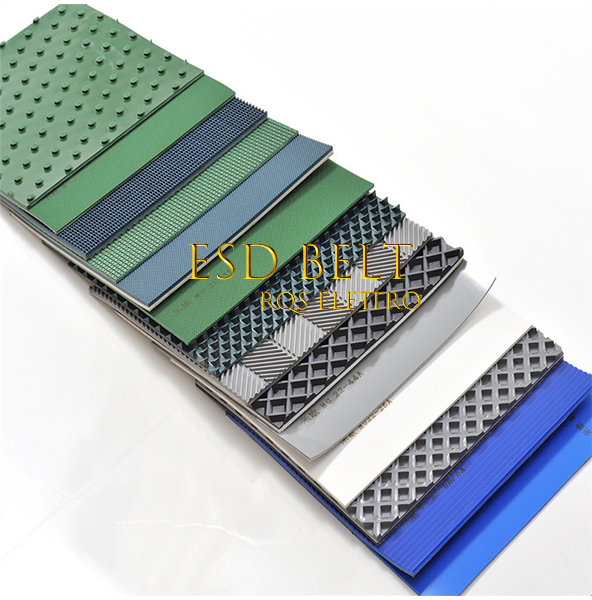
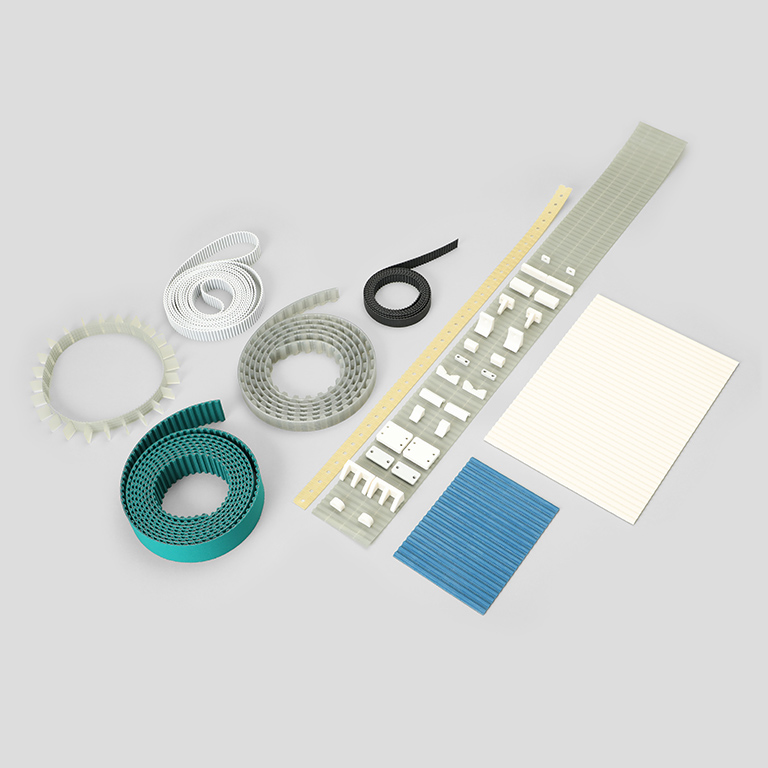
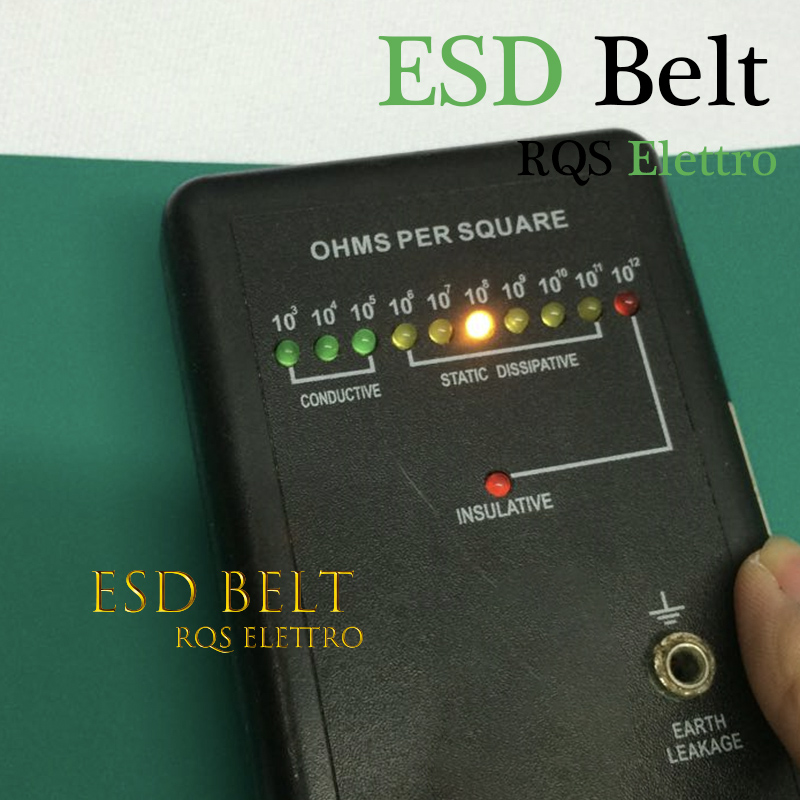
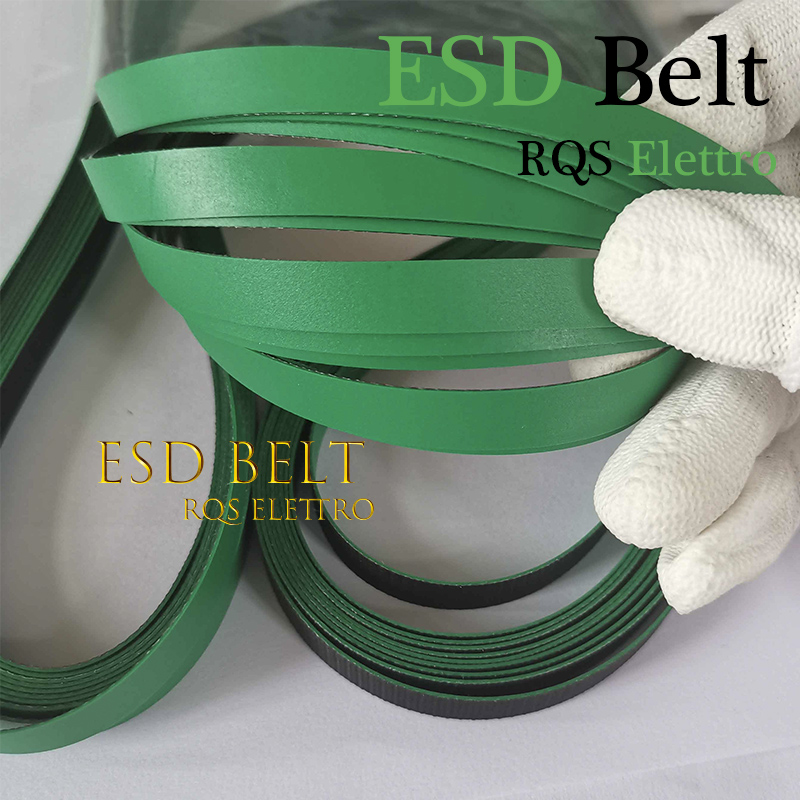
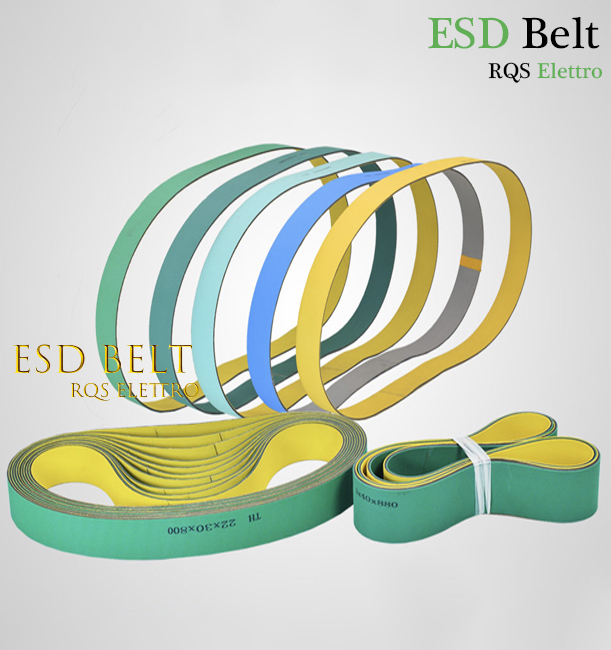
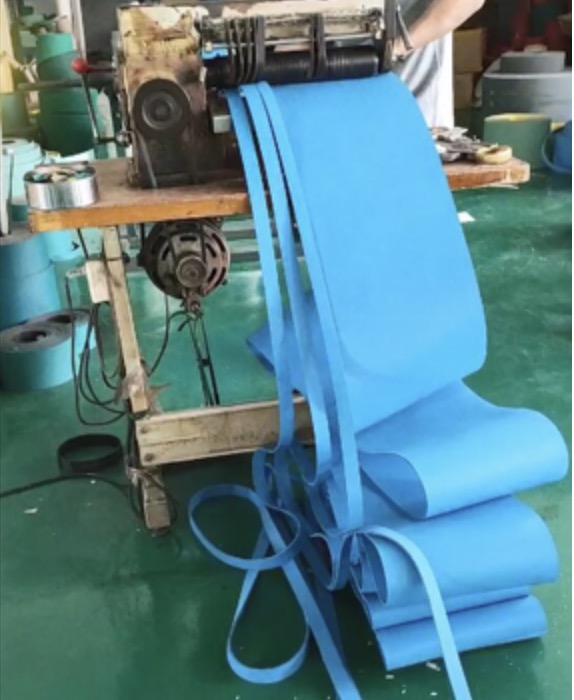
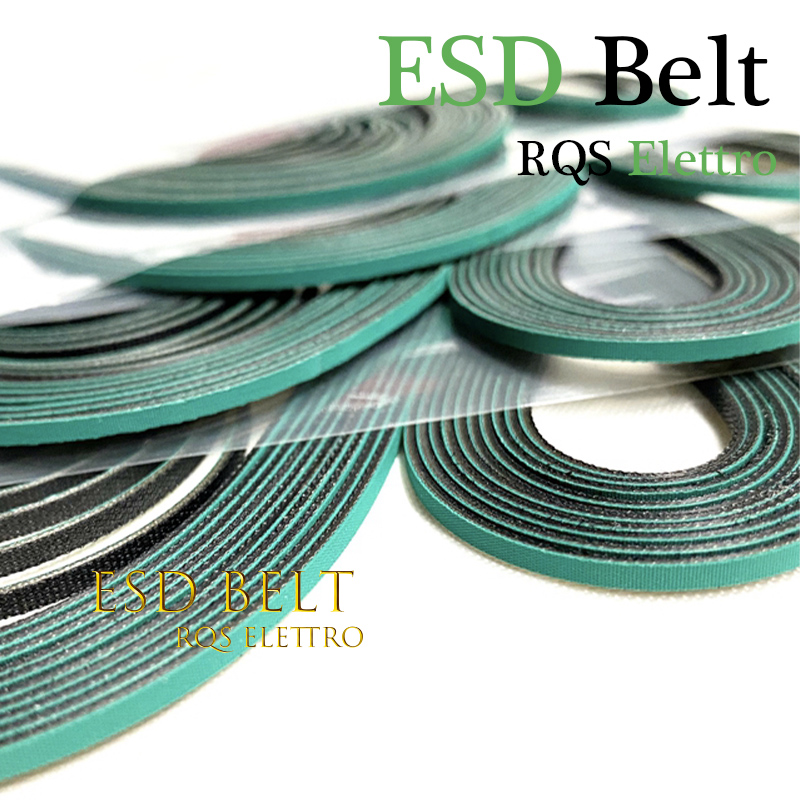
The SMT SMT mounting machine generally has the following belts:Inner grinding toothed belt steel wire T-shaped track belt, head belt, motor belt, X-axis belt, Y-axis belt, RN axis synchronous belt: inlet and outlet plate transmission belt, synchronous belt inside the box: vacuum pump V-belt, CP33L transportation belt, CP40L transportation belt, CP45FV/NEO transportation belt. With R-axis belt, SM321 transportation belt, synchronous belt, Z-axis belt, JUKI2050 T-axis belt, width adjustment belt, conveyor belt.How to install the SMT belt?Whether replacing the belt or installing the belt on a new transmission device, it is recommended to follow the following steps.
Eight major protections for belt conveyors
The eight major protections for belt conveyors include the following:
What kind of industrial belt is used for turning machines
Have you ever seen industrial belts for turning machines? With the progress of society and the rapid development of industrialization, many products need to be processed and manufactured, and there are naturally more places where conveyor belts are used. Turning machine industrial belt is a common type. Unlike ordinary conveyor belts, turning belts can turn from 0 to 180 degrees.In fact, the industrial belt of a turning machine is a conveyor belt that can smoothly transport goods at turning points. This is a reasonable modification of the machine body based on the bending curve that the goods will pass through, and then the conveyor belt is designed according to the running direction of the conveyor.There are two types of industrial belts for turning machines: forced turning and natural turning. The former is characterized by not changing the main components of the original machine, only adding a corner at the turning point, suitable for large turns; The latter is to make the conveyor belt bend naturally as much as possible, with a simple structure, easy maintenance, and suitable for small turns.The function of the industrial belt of the turning machine is to make the industrial belt of the turning machine very convenient, capable of horizontal and inclined transportation, with flexible direction, and therefore widely used in industrial enterprises. Generally speaking, the single line length of industrial belts for turning machines shall not exceed 20m. Due to the emergence of various mechanical conveying equipment, various conveyor belts are playing an increasingly important role in the transportation of industrial enterprises.
An article will give you a thorough understanding of the structure of belt conveyors
1、 Conveyor beltThe commonly used materials for conveyor belts are mainly rubber conveyor belts, steel wire rope core belts, and nylon/canvas belt cores. Rubber belts have characteristics such as heat resistance, high temperature resistance, burning resistance, acid and alkali resistance, cold resistance, wear resistance, oil resistance, flame retardancy, tear resistance, and puncture resistance. Usually suitable for working environment temperatures between -15 to 40 ° C. The material temperature should not exceed 50 ℃. If it exceeds 50 ℃, the manufacturer should be informed and high-temperature resistant conveyor belts should be selected. The steel wire rope core belt has advantages such as high tensile strength, low elongation, compact equipment, large transportation capacity, long service life, smooth starting, and safe operation. It has high economic benefits and has become a key product for development both domestically and internationally. Nylon/canvas with core body has good elasticity, good grooving performance, low elongation, and is made of acid and alkali resistant materials. It is a covering adhesive with good chemical corrosion resistance and physical properties, suitable for chemical plants, fertilizer plants, paper mills and other mining enterprises.2、 Idler rollerThe idlers are mainly divided into groove idlers, flat idlers, centering idlers, and buffer idlers. The groove roller is mainly supported by three rollers to support and support the branches, which are used to transport loose materials; The centering roller is used to adjust the lateral position of the conveyor belt to avoid deviation; The buffer roller is mainly installed at the receiving area to facilitate the reduction of material impact on the conveyor belt. 3、 DrumThe drum is mainly divided into driving drum and directional drum. The drive drum connects the motor and chain, which are the main components for transmitting power. Common drum diameter models are 38.1mm, 50.8mm, and 60mm. The directional drum, as the name suggests, is a drum used to change the transmission direction of a belt, usually placed at the tail of a belt conveyor, also known as the tail drum. Generally speaking, small directional rollers are made of cast iron, while large directional rollers are made of steel plates. 4、 Tensioning deviceThe main function of the tensioning device of the belt conveyor is to achieve the necessary tension of the conveyor belt, prevent slipping on the driving drum, and cause safety accidents. And ensure that the deflection of the conveyor belt between the rollers is within the specified range, ensuring the normal operation of the belt conveyor. At present, common tensioning devices include spiral tensioning devices, heavy hammer tensioning devices, vehicle type tensioning devices, etc.5、 SweeperA conveyor cleaner is a device used to clean conveyors, mainly used to clean materials stuck on rollers, conveyor belts, drums, etc. At present, the commonly used belt conveyors are mainly divided into alloy rubber cleaners, empty section cleaners, spring cleaners, and PUR polyurethane belt cleaners.6、 MotorIf all the above components are like a human skeleton, then the motor in the belt conveyor is the heart of humanity. In other words, a strong motor is enough to determine the operating efficiency and service life of the belt conveyor. The motor power of a belt conveyor must be comprehensively calculated based on the belt bandwidth, conveying distance, inclination angle, conveying volume, as well as the characteristics and humidity of the material. In short, the power of a belt conveyor must be determined according to the actual needs of the user.

What are the main components of a belt conveyor
Belt conveyor is a common conveying equipment widely used in industrial production. Its main components include conveyor belts, driving devices, drums, rollers, tensioning devices, and cleaners. Below, we will provide a detailed introduction to these main components.1、 Conveyor beltThe conveyor belt is an important component of the belt conveyor, which carries and transports materials. According to different usage scenarios and material characteristics, different types of conveyor belts can be selected, such as ordinary conveyor belts, flame-retardant conveyor belts, heat-resistant conveyor belts, etc. Conveyor belts are generally composed of rubber and skeleton materials, including cotton canvas, nylon canvas, polyester canvas, etc., which play a role in increasing the strength of conveyor belts. The conveyor belt needs to undergo vulcanization treatment in production to have high elasticity and wear resistance.2、 Drive deviceThe driving device is the power source of the belt conveyor, which drives the active drum to rotate through the motor reducer, thereby driving the conveyor belt to move. According to different transmission modes and installation positions, the driving device can be divided into two forms: single-sided drive and double-sided drive. To ensure the normal operation of the belt conveyor, it is necessary to choose a suitable driving device and carry out reasonable maintenance and upkeep.3、 DrumDrum is one of the important components of belt conveyor, which is mainly divided into two types: transmission drum and directional drum. The transmission drum is mainly used to transmit power and change the direction of movement of the conveyor belt, while the directional drum is mainly used to change the direction of operation of the conveyor belt. The drum is generally welded from cast iron or steel plate, and its surface is quenched or wear-resistant to improve its service life. During the operation of a belt conveyor, the drum needs to maintain good lubrication to reduce friction and wear.4、 Idler rollerRoller is a component used to support the weight of conveyor belts and materials, consisting of bearing seats, shafts, bearings, and retaining rings. According to different usage scenarios and requirements, different types of idlers can be selected, such as groove idlers, buffer idlers, centering idlers, etc. Idlers play a very important role in belt conveyors. If the quality of the rollers is poor or maintenance is improper, it can lead to faults such as belt deviation, wear, and even breakage. Therefore, it is necessary to choose high-quality rollers and regularly maintain them.5、 Tensioning deviceThe tensioning device is a device used to adjust the tension of the conveyor belt, which can maintain a constant tension during operation, preventing the conveyor belt from being too loose or too tight. Tensioning devices are generally divided into two types: mechanical and electric. Mechanical tensioning devices consist of screws, sliders, and tension arms, while electric tensioning devices adjust tension through motors. In the design process of belt conveyors, it is necessary to select appropriate tensioning devices according to the actual situation to ensure the normal operation and service life of the equipment.6、 SweeperA cleaner is a device used to remove residual materials from a conveyor belt, consisting of a scraper, bracket, and spring. Sweepers are generally divided into two types: head sweepers and tail sweepers. The head sweeper is mainly used to remove adhered materials on the conveyor belt, while the tail sweeper is used to remove residual materials on the return journey of the conveyor belt. The design and selection of sweepers need to be based on actual situations to ensure the proper functioning of the equipment
Introduction to installation tools for conveyor belt buckles
1、 Tape reinforcement deviceA tape reinforcement device, also known as a punching device, is a reliable tool for installing tape buckles. It is suitable for reinforcing the structure of the tape end to prevent easy wear and tear during use. The use of the tape reinforcement is very simple, just place the punch at the end of the tape and use a hammer to hit the punch.2、 Clamp pressClamp press is a commonly used installation tool for conveyor belt buckles, which is commonly used in the pressing process of buckle joints. There are two types of clamping machines: manual and electric. Manual clamping machines are suitable for small-scale manufacturers, while electric clamping machines are suitable for large-scale manufacturers. When in use, simply place the buckle in the corresponding press mold, and then press the press button to complete the buckle installation.3、 LocatorA locator is an auxiliary tool used to correctly position the conveyor belt onto the buckle. It can improve installation efficiency and accuracy, avoiding installation failures caused by conveyor belt misalignment or movement. When in use, simply place the locator on the buckle and align the conveyor belt correctly with the indicator on the locator.4、 CutterA cutter, also known as a scratch knife, is a tool used to cut conveyor belts. When installing buckles, it is often necessary to cut the conveyor belt to a specific length. The cutter can easily complete this task while also avoiding situations where the conveyor belt is torn or injured.5、 Elevator and drum groupElevators and drum sets are typically used to secure conveyor belts and buckles, ensuring that the conveyor belt can move slowly after installation. These two types of conveyor belt buckle installation tools can improve production efficiency and safety, reduce human factors during the installation process, and thus ensure production quality and employee safety.In short, there are various types of installation tools for conveyor belt buckles, which are suitable for different types of conveyor belts and buckles. Reasonable selection and use of these tools can improve installation efficiency and quality, thereby bringing greater profits to the production of enterprises.
Belt conveyor speed range
1、 Belt conveyor speed rangeThe speed range of belt conveyors is usually between 0.8 meters/second and 4 meters/second. The specific speed range needs to be determined based on different product and equipment parameters. If the speed is too fast, it may cause equipment damage or product damage, and it is also not conducive to the safety of operators. If the speed is too slow, it will affect transportation efficiency and increase production costs.2、 Notes to be taken
The service life of conveyor belts in belt conveyors
The structure and working principle of belt conveyors
Belt conveyor is a common material transportation equipment, which is widely used in industries such as mining, metallurgy, and coal due to its simple structure, large transportation capacity, and long transmission distance. Below, I will provide a detailed description of the structure and working principle of the belt conveyor.Structure of belt conveyor:The belt conveyor mainly consists of drag device, support device, conveyor belt, tension device, cleaning device, and other parts.
The sealing method of belt conveyor makes production more efficient
1、 Sealing of baffleBaffle sealing is a simple sealing method suitable for conveying materials that are very dry. This method mainly involves setting up some baffles at the discharge and feed ports of the conveyor, as well as the inlet and outlet of the crusher, to seal the materials inside the machine, reduce material flying, and reduce environmental pollution.2、 Cover plate sealingCover plate sealing is a sealing method that prevents materials from flying by installing a cover plate on the upper or upper side of the machine. This method is suitable for conveying materials with liquefaction, severe dust pollution, and the need for hard sealing.3、 Rubber sealRubber sealing is a method of sealing achieved by using rubber gaskets on the connecting parts of a conveyor. This method has a significant effect and can effectively seal materials with smaller particle sizes, reduce dust flying, and avoid pollution.4、 Air cushion sealingAir cushion sealing is a sealing method that uses compressed air to produce an air cushion. Setting air cushion seals at the head, tail, and center of the conveyor belt can effectively prevent material leakage and scattering, and improve production efficiency.By using the above four sealing methods, material leakage and scattering can be avoided, dust pollution can be reduced, and work efficiency can be improved. But different materials and production environments require different sealing methods to ensure sealing effectiveness.