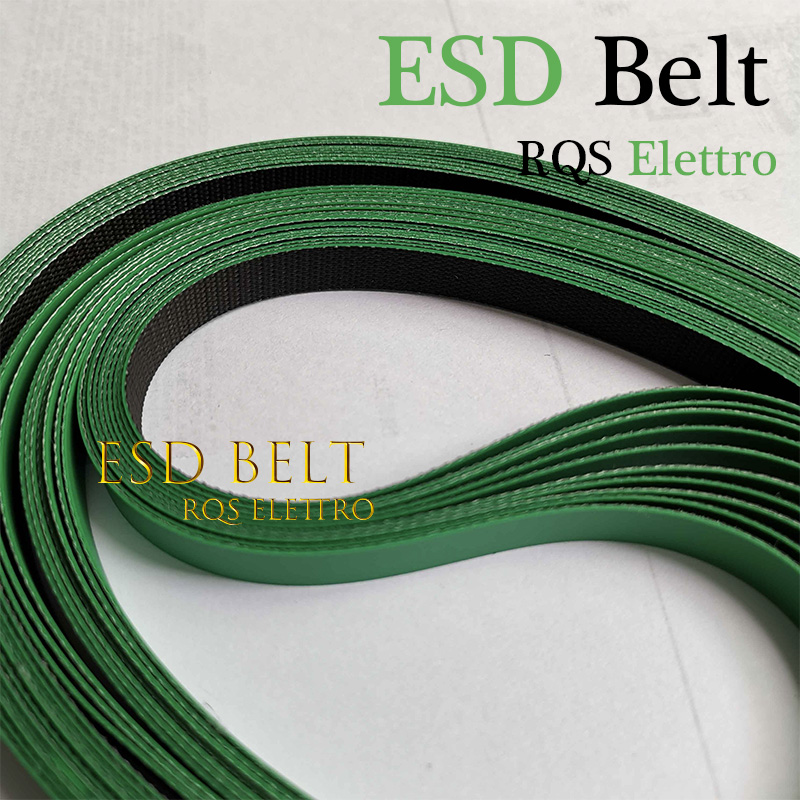
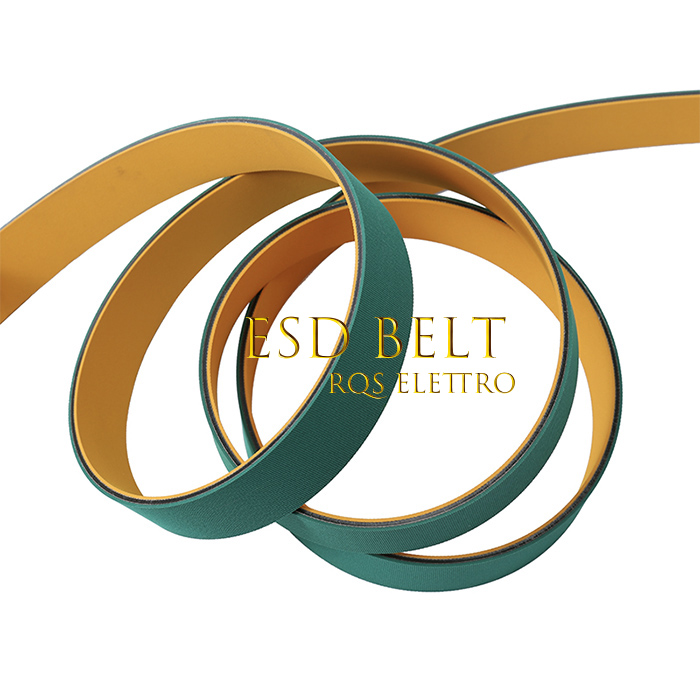
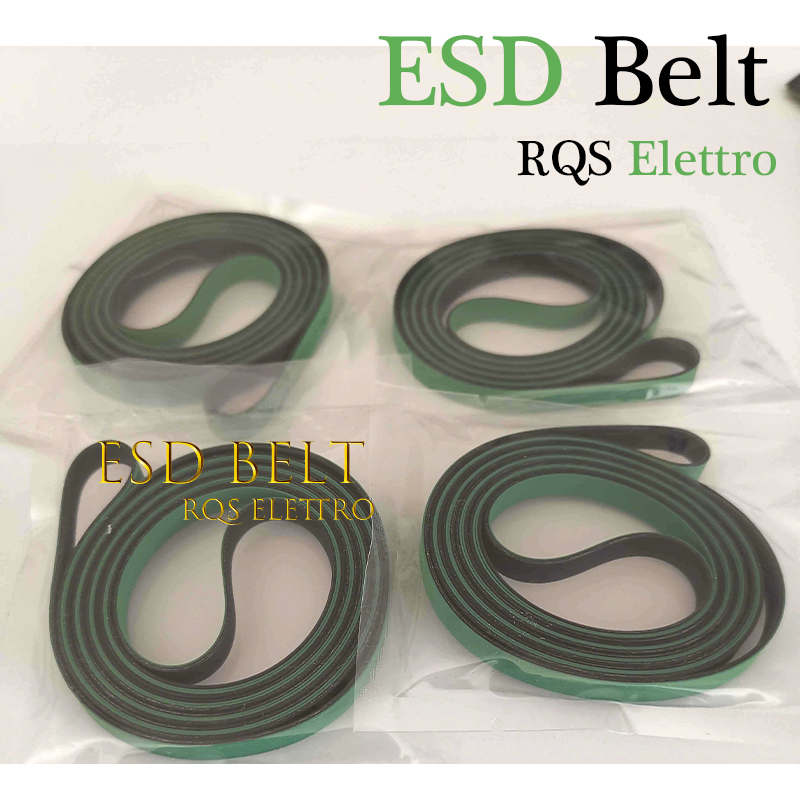
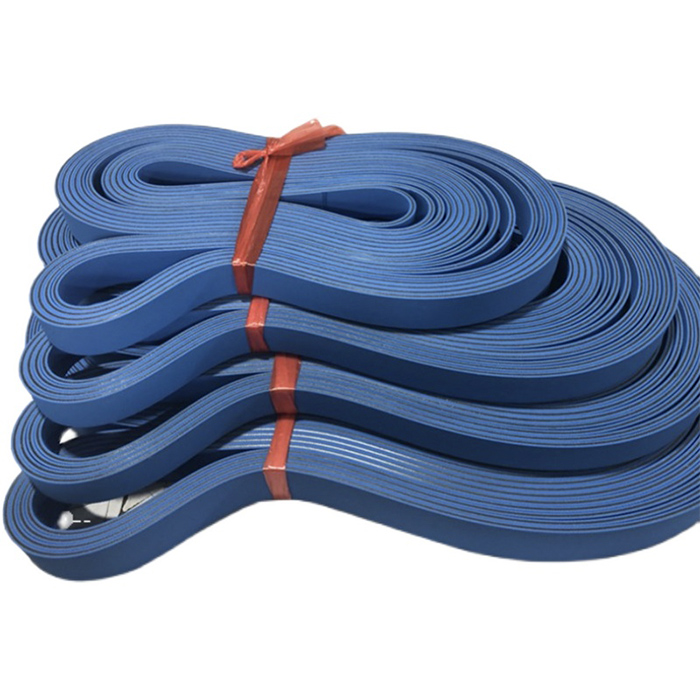
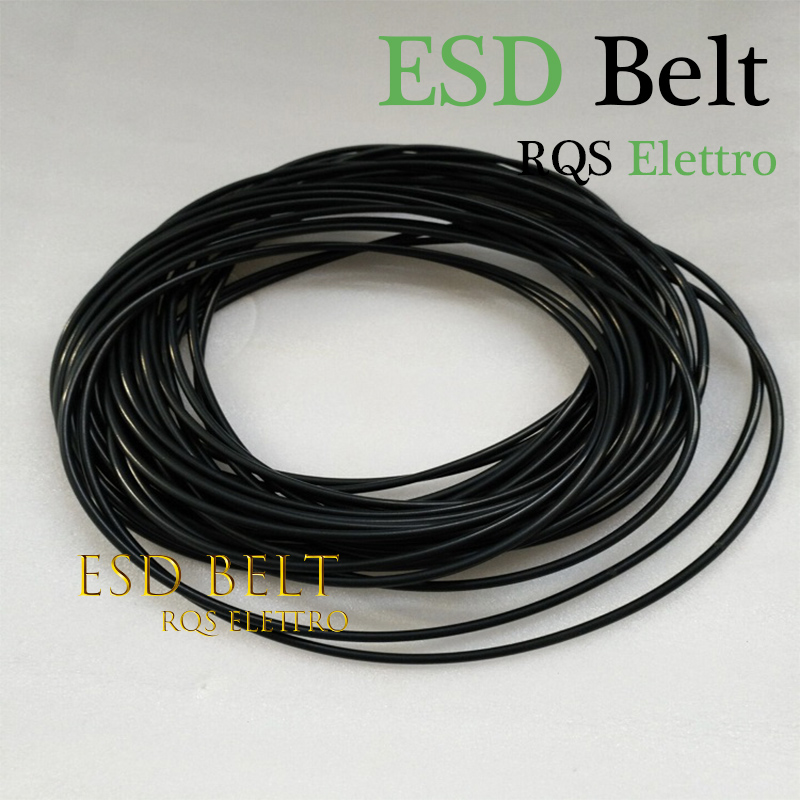
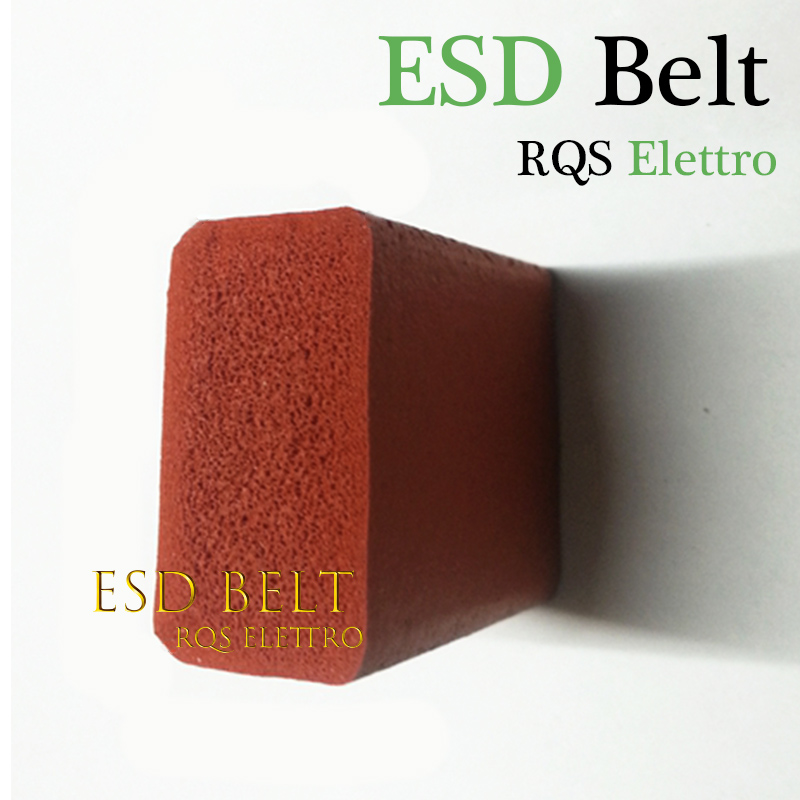
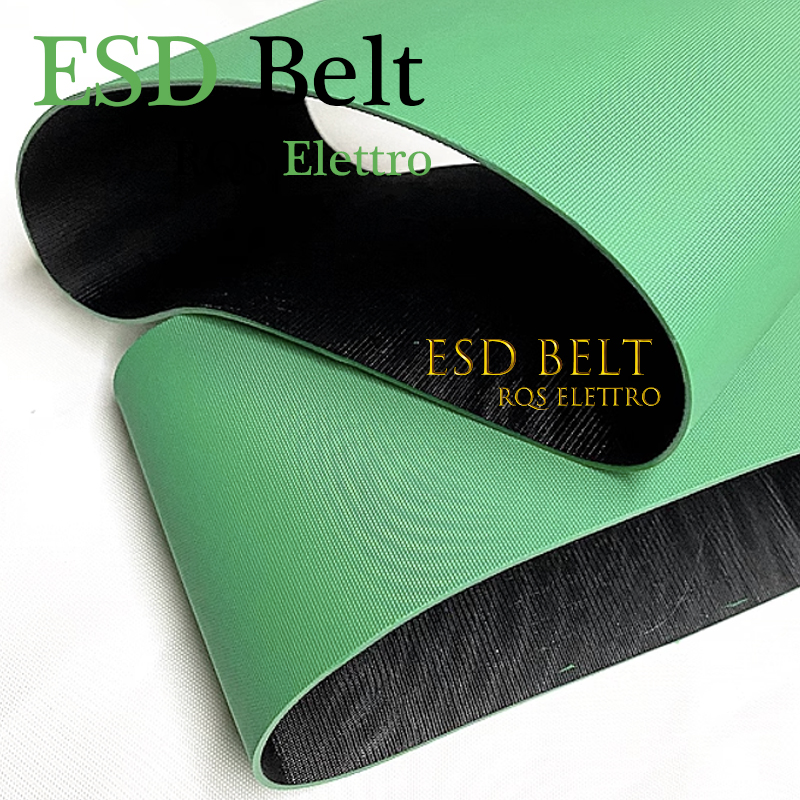
The conveyor belt is an indispensable part of industrial production, which can achieve efficient transportation of materials on the production line. When selecting a conveyor belt, the following aspects need to be considered:1、 Product structureThe conveyor belt can be divided into various types according to its structure, such as straight conveyor belt, turning conveyor belt, lifting conveyor belt, etc. Different structures are suitable for different production environments, and enterprises need to choose the appropriate conveyor belt structure based on their own production process and site conditions.2、 How to choose products
How to clean the conveyor belt thoroughly?
The method of cleaning the conveyor belt depends on its material and degree of contamination. The following are several common cleaning methods:Use alcohol or Baijiu. Dip a cotton swab with a little alcohol or Baijiu, gently wipe the oily surface of the conveyor belt, and then wipe it dry with a clean soft cloth.Use dry cleaning agent. If you have a dry cleaning agent at home, you can simply clean the conveyor belt according to the instructions. Dry cleaning agents have a good cleaning effect on non stubborn stains such as edible oil.Use toothpaste. After wiping the oil stains with a dry cloth, gently wipe the oil stains with a bit of toothpaste dipped in a cloth to clean them.Use cleaning solution. Firstly, soak the conveyor belt in a solution mixed with cleaning solution and water (in a ratio of approximately 1:10), and then use a low-pressure spray gun to evenly spray. Be careful not to use a high-pressure spray gun to avoid damaging the surface of the belt. When rinsing the spray gun, be careful not to rinse the same position repeatedly, and finally wipe it clean with clean water.Use soapy water. Wash the surface of the conveyor belt with clean water and a small amount of soapy water, do not use a hard bristled brush to clean.Use specialized cleaning solution. If there is residue or adhesive on the surface of the conveyor belt, some professional cleaning solution can be used.In addition, before cleaning, the power supply of the equipment should be turned off to ensure safety. Remove the conveyor belt, wipe off large pieces of dirt and impurities on the surface with a dry cloth, soak the conveyor belt in cleaning solution, clean the surface and edges of the conveyor belt one by one with a cleaning brush, rinse the conveyor belt with clean water, and wipe the conveyor belt dry with a dry cloth to ensure a clean surface
Selection of conveyor belt motor
When selecting a conveyor belt motor, multiple factors need to be considered, including the length, width, load, speed, and operating environment of the conveyor belt. The following are the characteristics and application scenarios of different types of motors:DC motor. Suitable for low-power, low-speed, and small load transmission or transmission tasks, it has the advantages of constant speed, flexible reverse rotation, and convenient control. It is suitable for precise control and applications that require high torque output.AC motor. Including asynchronous motors and synchronous motors, commonly used in low-power, low-speed applications, providing stable power output, high cost-effectiveness, suitable for cost sensitive and low speed and accuracy requirements.Stepper motor. Suitable for applications that require precise positioning and speed control, such as precision transmission in automation equipment, with high controllability and precision, but relatively low power, suitable for light loads and high-precision applications.Servo motor. Suitable for applications with high precision, high speed, and high dynamic response requirements, such as automated production lines, machine tools, and robots, with high control accuracy, wide speed range, and powerful torque, but at a higher cost.In addition, when selecting a motor, factors such as the motor’s protection level, anti-corrosion level, and installation method need to be considered to ensure that the motor can still operate reliably in specific environments. For example, in high-altitude or harsh environments, it may be necessary to choose special types of motors or perform power correction.

Analysis of 7 scenarios for conveyor belt models
The analysis of 7 scenarios for the conveyor belt model is as follows:Horizontal conveyor belt. The slider keeps accelerating, with a force of f=mg, accelerating first and then moving at a constant speed, and the force becomes f=0.Horizontal conveyor belt, with the slider starting to slow down at a certain speed v0. The force is f=mg, slow down first and then move at a constant speed, and the force is still f=mg.Horizontal conveyor belt, the slider slows down first, then accelerates to the right, and finally reaches the right end at a constant speed of v. When decelerating and accelerating in reverse, the force is f=mg, and the direction is always right. When moving at a constant speed, the force is f=0.Tilt the conveyor belt and the slider keeps accelerating. Friction force f=mgcos θ, Accelerate first and then move at a constant speed, subject to frictional force f=mgsin θ。Tilt the conveyor belt and accelerate the slider with acceleration a1 first, then with acceleration a2. Friction force f=mgcos θ, Accelerate first and then maintain a constant speed, with frictional force f=mgcos θ, After being subjected to reverse frictional force, f=mgcos θ。Tilt the conveyor belt, with the slider constantly moving at a constant speed of v0. Friction force f=mgsin θ。Tilt the conveyor belt, with the slider slowing down first and then accelerating in reverse. Friction force f=mgcos θ, Slow down first and then accelerate in reverse, with frictional force f=mgcos θ。
Mechanical transmission components – synchronous belt models
1、 Rubber synchronous beltSpecification and model of ladder toothed rubber synchronous beltMXL XL L H XH XXH T2.5 T5 T10 T20 AT5 AT10 AT20The meaning of trapezoidal tooth synchronous belt parametersFor example:1) 120XL037 representsNode length: 12 * 25.4=304.8mmTooth shape parameter model: XLWidth: 0.37 * 25.4=9.4mm2) T10 X 1250 X30Node length: 1250mmTooth shape parameter model: T10Width: 30mmModels of specifications for arc toothed synchronous beltsHTD 2M 3M 5M 8M 14M 20MSTS/STPD S2M S3M S4.5 S5M S8M S14MRPP/HPPD RPP2M RPP3M RPP5M RPP8M RPP14MThe meaning of parameters for arc toothed synchronous beltsFor example:HTD 1040-8M-30 representsNode length: 1040 mmTooth shape parameter model: HTD 8MWidth: 30mm2、 Double sided toothed synchronous beltModel of DA type double-sided toothed synchronous belt specificationD-AXL D-L DA-H DA-T5 DA-T10 DA-T20 DA-3M DA-5M DA-8M DA-14M DA-S8MThe meaning of parameters for DA type double-sided toothed synchronous beltFor example:DA 2000 X T10-40 representsNode length: 2000 mmTooth shape parameter model: T10 double-sided symmetrical teethWidth: 40mmDB type double-sided toothed synchronous belt specifications and modelsDB-XL DB-L DB-H DB-T5 DB-T10 DB-T20DB type double-sided toothed synchronous belt parameters and their meaningsFor example:DB 2000 X T10-40 representsNode length: 2000 mmTooth shape parameter model: T10 double-sided staggered teethWidth: 40mm3、 Specifications and models of automotive synchronous beltsR (MR) Y (MY) ZBS YU RU ZA S8M ZD ZR ZAS ZB RHD RHX RPP SLMeaning of automotive synchronous belt parametersFor example:99 RU 22 representsNumber of teeth: 99Tooth shape parameter model: RUWidth: 22mm4、 Specification and model of multi wedge beltPH PJ PK PL PMThe meaning of multi wedge belt parametersFor example:1) Metric: 10PJ1089Wedge number: 10Effective length: 1089 mm2) 10PJ250Wedge number: 10Effective length: 25 * 25.4=635mm5、 Cutting V-beltsSpecification and model of ordinary V-beltY Z A B C D EThe meaning of ordinary V-band parameters:For example:1) A 35 represents model: A length: 35 * 25.4=889mm
Specifications, models, and meanings of synchronous belts
1、 Basic modelThe basic model of a synchronous belt usually consists of the following parts:
The Use of Industrial Belts
Industrial belts play a crucial role in modern industry and are widely used in the production process of various industries. The following is a detailed introduction to its purpose:In the field of mechanical manufacturing. Industrial belts, as key equipment for power transmission and material transportation, play an important role in mechanical equipment such as engines, conveyor belts, and ovens. For example, in the engine, the industrial belt serves as the timing belt, ensuring the stable operation of the engine; In the conveyor belt, it transports materials from one link to another, achieving automated production.In the textile and tobacco industries. Industrial belts are also indispensable. As transmission belts in textile machinery, they transmit power to various working components such as spindles and rollers, ensuring the efficient operation of textile machinery and improving the quality and production efficiency of textiles; In tobacco processing equipment, industrial belts serve as transmission belts to transmit power to various working components, ensuring the smooth progress of tobacco processing and being used in tobacco conveying equipment to achieve automated production.In the electronic and electrical industry. Industrial belts play an important role in the manufacturing process of products such as LCD displays, microwaves, and washing machines.In the mining and metallurgical industry. Industrial belts are used in coal mine conveying systems, mine elevators, metallurgical heat treatment continuous devices, etc.In the chemical industry. Industrial belts are used for the transmission of chemical equipment, such as centrifuges, dryers, mixers, etc.In addition, industrial belts are widely used in various fields such as agriculture, food processing industry, aerospace, etc. Overall, industrial belts transmit power from one place to another, enabling the operation of mechanical equipment and the transportation of goods. They not only transmit a large amount of power, but also adapt to various environments and working conditions.
The principle of luggage conveyor belt
Principles of Airport Luggage Conveyor
The working principle of airport baggage conveyor mainly involves the following parts:Transmission system. The transmission system of the conveyor belt includes an electric motor, reducer, pulley, and belt. The electric motor outputs power through a reducer, and the pulley is used to connect the electric motor and the conveyor belt. The belt, as a crucial part of power transmission, connects the electric motor and the drum or gear, thereby transmitting power to the conveyor belt and driving the movement of objects.Drum or gear. These are carriers that the belt moves in its direction of motion, usually made of materials such as steel and aluminum. The diameter, width, and shape of the drum vary depending on the usage environment of the conveyor belt and the characteristics of the item.Adjusting the system. The luggage conveyor belt can be adjusted according to the height of the cabin door to accommodate luggage of different sizes. The staff only need to place the luggage on the conveyor belt, and the luggage will be automatically transported.
Working principle of iron remover for belt conveyor
The working principle of the iron remover on the conveyor belt mainly includes the following steps: